
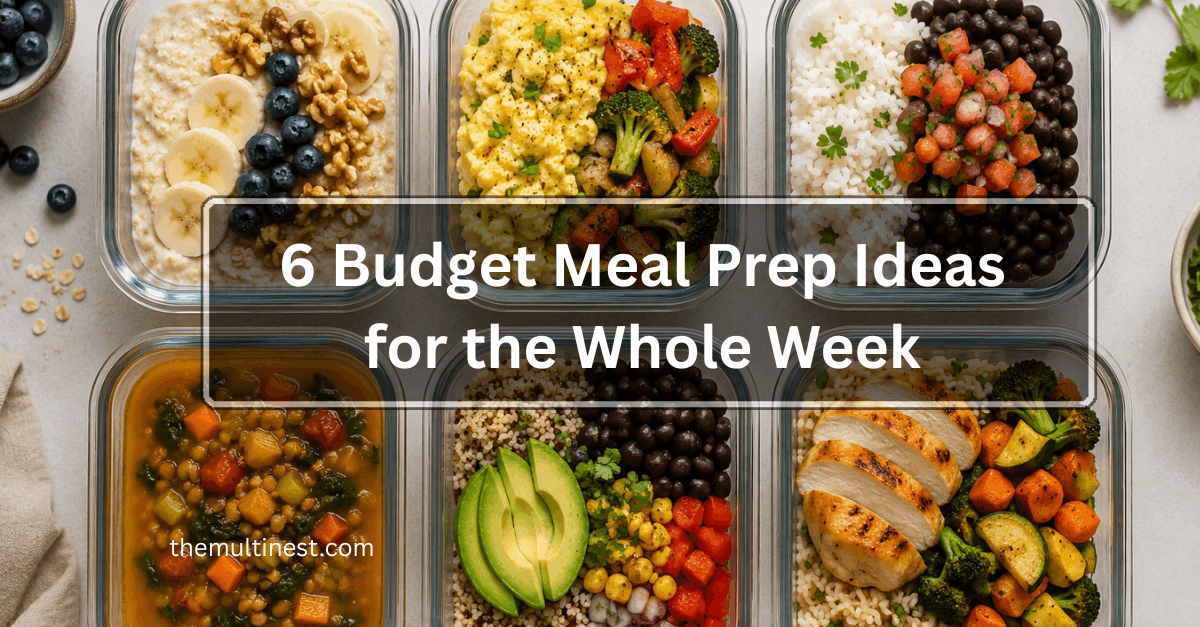
Grocery prices keep climbing, and eating well shouldn’t mean choosing between your food budget and your health. A home-prepped lunch typically costs $2-4 per serving, while a similar takeout meal runs $12-15, across a five-day work week, that gap alone saves $40-60. Meal prepping closes that gap without forcing you into a bland, repetitive diet. These six budget meal prep ideas use cheap, shared ingredients that stretch across breakfast, lunch, and dinner, so you spend less time cooking and less money at checkout.
Why Budget Meal Prep Actually Saves Money
The savings come from three sources working together. You buy pantry staples in bulk at a lower unit price, you cook cheaper ingredients like beans, rice, and eggs instead of pricier convenience foods, and you throw away far less food because every item you buy has a planned use. Spending just 15-20 minutes a week planning your meals before you shop reduces impulse purchases and helps a single grocery trip cover the whole week.
1. Overnight Oats for Five Breakfasts
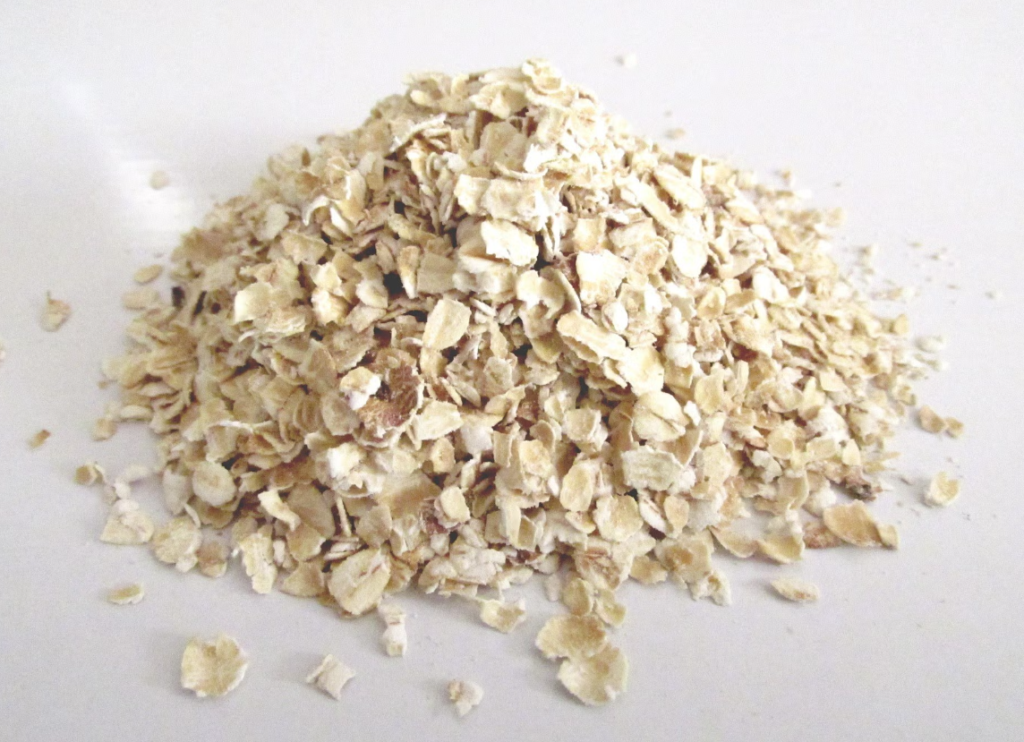
Combine oats, milk (dairy or plant-based), and a topping like fruit or peanut butter in jars the night before. This setup delivers five ready-to-eat breakfasts for the week with zero morning effort and costs just pennies per serving using basic pantry oats.
2. Egg and Vegetable Muffins

Bake eggs with whatever vegetables need using up, spinach, peppers, onions, or leftover broccoli all work well. These muffins freeze well, so you can batch-cook a double batch and pull servings out as needed instead of cooking fresh every week.
3. Rice and Bean Burrito Bowls
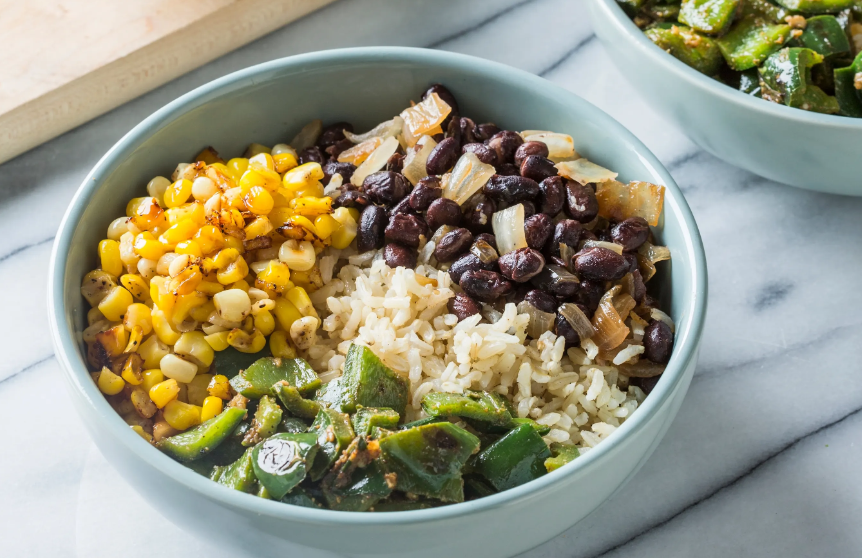
Rice, black beans, frozen corn, and salsa make one of the most reliable cheap meal prep staples available. This combination delivers filling, protein-rich lunches for well under $2 per serving, and you can rotate the toppings — avocado, hot sauce, shredded cheese, to keep the week from feeling repetitive.
4. Lentil Soup with Pantry Vegetables
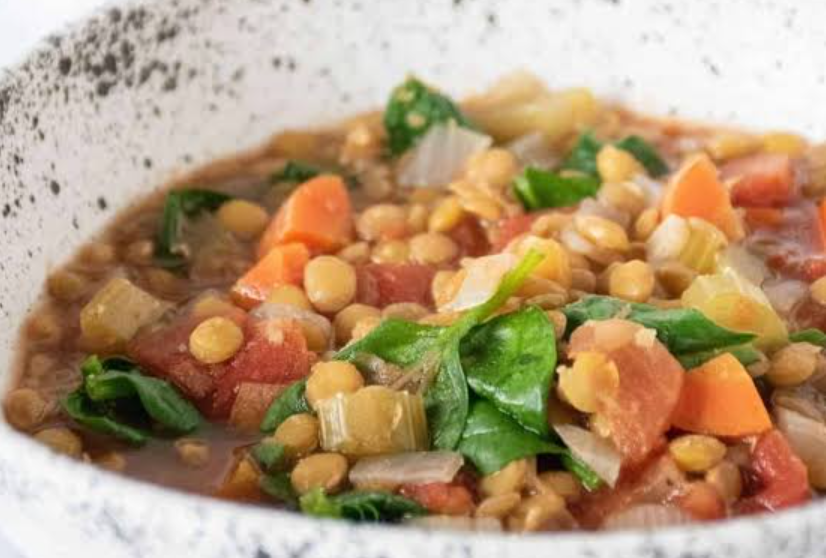
Lentils, carrots, onion, canned tomatoes, and stock simmer into a hearty, protein-packed soup that costs very little per batch. Soup also freezes exceptionally well, so a single cooking session can cover multiple weeks if you portion it into containers before storing.
5. Quinoa and Black Bean Bowls
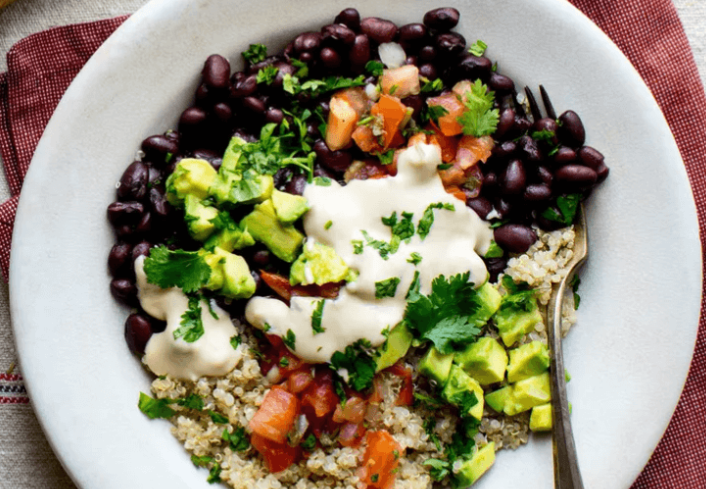
Quinoa cooks in about 15 minutes and pairs naturally with black beans for a protein-packed, fibre-filled lunch. Batch-cook both components at once, then mix in whatever vegetables or sauce you have on hand to keep the bowls from tasting the same every day.
6. Chicken and Rice with Seasonal Vegetables
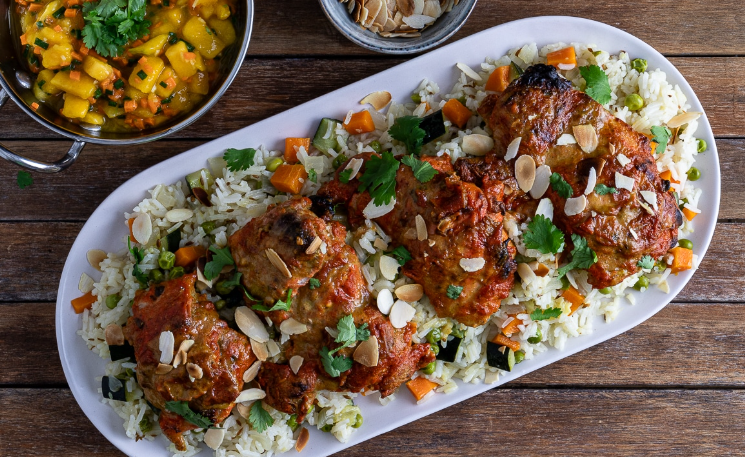
Build your week around whatever protein and produce are discounted that week, chicken, cabbage, frozen broccoli, and canned tomatoes are common budget anchors. Cook a large batch of chicken and rice at once, then swap the vegetable or sauce daily so the base meal doesn’t feel monotonous by Wednesday.
How to Build a Repeatable Budget Meal Prep System
- Plan before you shop. Spending 15-20 minutes reviewing what’s on sale before you make your grocery list helps you build meals around discounts instead of paying full price.
- Prep components, not just complete meals. Cooking a batch of rice, a batch of protein, and a batch of vegetables separately lets you mix and match throughout the week instead of eating the same meal five days straight.
- Keep one part of the plan fixed and one part flexible. Anchor your week around whatever staple is cheapest that week, and leave room to adjust the rest based on what’s on sale.
- Freeze extras immediately. Portioning soups, muffins, and cooked grains into the freezer the same day you cook them prevents food waste and gives you a backup meal for busy nights.
FAQs
Does meal prepping actually save money compared to eating out?
Yes. A home-prepped meal typically costs $2-4 per serving, while a comparable takeout meal runs $12-15. Replacing just weekday lunches with prepped meals is usually the single highest-return habit for cutting food costs.
What are the cheapest ingredients to build a budget meal prep around?
Rice, beans, lentils, eggs, oats, and frozen vegetables are among the most affordable staples that also hold up well over several days in the fridge. Building meals around these ingredients keeps the cost per serving low without sacrificing nutrition.
How do I keep budget meal prep from getting boring by midweek?
Prep components separately instead of full meals, then mix and match sauces, toppings, and vegetables daily. Batch-cooking a base like rice or quinoa and pairing it with rotating toppings prevents the repetition that usually derails meal prep plans.
How much time should I spend planning meals each week?
Around 15-20 minutes of planning before you shop is enough to reduce impulse buys and build a grocery list that covers the whole week efficiently. This small habit has an outsized effect on both cost and food waste.
Can budget meal prep still be healthy?
Yes. Staples like beans, lentils, eggs, whole grains, and frozen vegetables are inexpensive and nutrient-dense. Budget meal prep doesn’t require extreme restriction; it works best when meals are simple, repeatable, and built around low-cost, whole ingredients.
Is it better to prep breakfast, lunch, or dinner first if I’m just starting?
Weekday lunches usually offer the best return, since they’re the meal most often replaced by expensive takeout. Starting there before expanding to breakfast or dinner prep makes the habit easier to sustain.

Monika Raisinghani is a content writer with over 10 years of experience writing for different industries. She enjoys turning ideas into simple, useful, and engaging content that people actually want to read. Whether it’s health, lifestyle, business, or technology, she focuses on providing accurate information in a clear and relatable way. She believes good content should be easy to understand, helpful, and written with the reader in mind.