
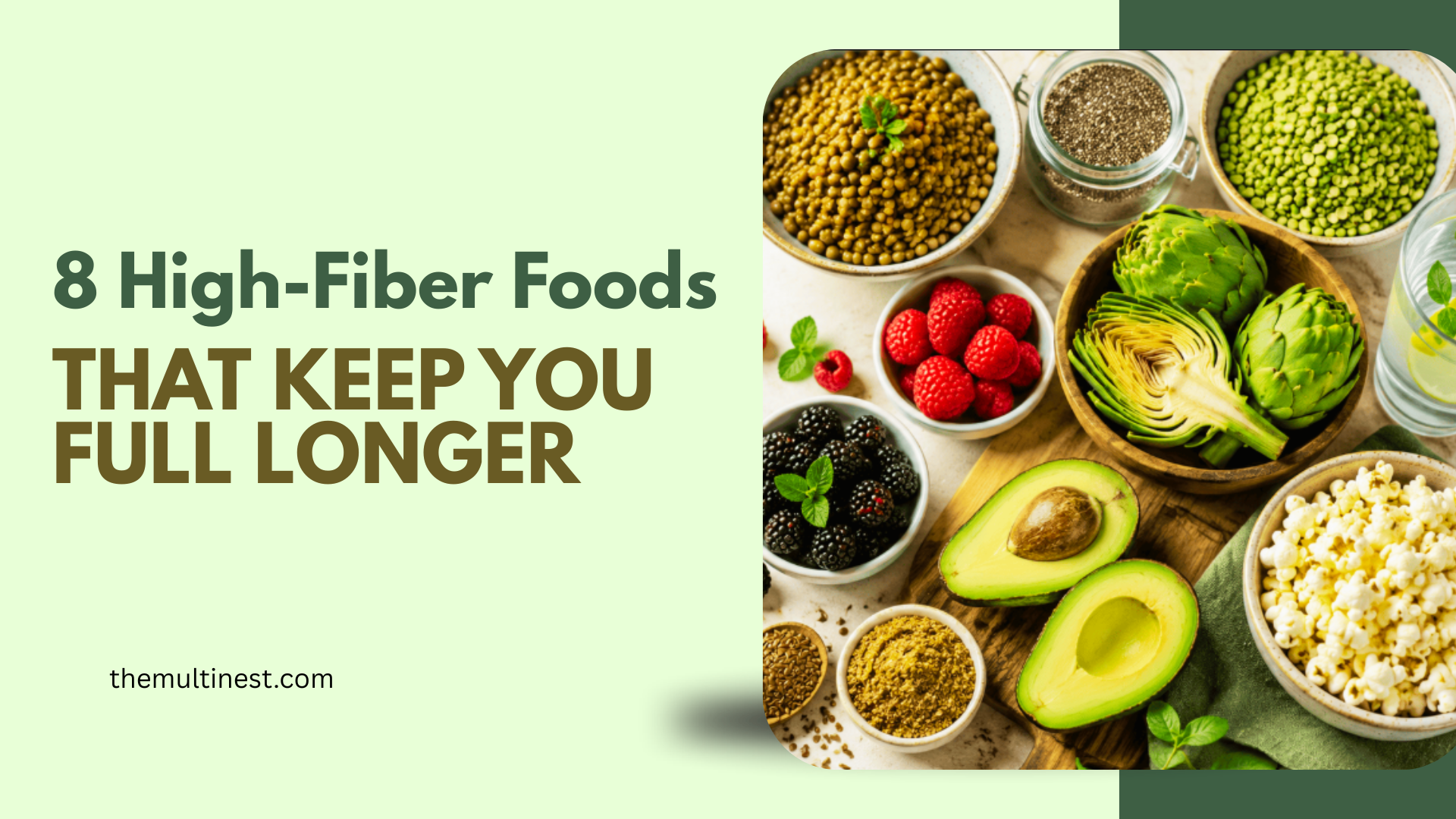
Hunger creeping back an hour after you eat usually comes down to one missing nutrient: fibre. Fiber slows down digestion, which means your body takes longer to process food and you feel satisfied for longer after eating. Some types of fibre also absorb water and expand in your stomach, adding physical bulk that makes you feel fuller with less food. These eight high-fiber foods make it easy to build that staying power into breakfast, lunch, snacks, and dinner without overhauling your entire diet.
Why Fiber Keeps You Fuller Than Other Nutrients
Fiber comes in two forms, and both contribute to lasting fullness in different ways. Soluble fiber dissolves in water to form a gel-like substance that slows how quickly your stomach empties and helps stabilize blood sugar. Insoluble fiber doesn’t dissolve, but it adds bulk that keeps digestion moving steadily. Together, they delay hunger signals and help regulate blood sugar, which reduces the energy crashes that often lead to snacking soon after a meal.
1. Lentils
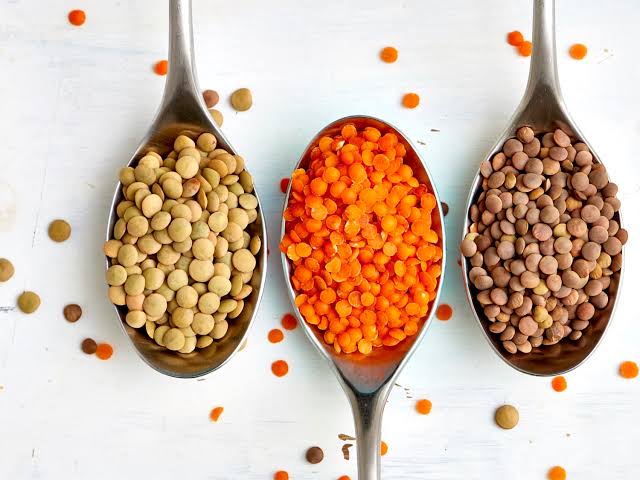
Lentils deliver both fiber and plant-based protein in a single ingredient, which makes them one of the most filling foods you can add to soups, salads, or grain bowls. A single cup of cooked lentils provides a substantial fiber boost while keeping calories relatively low, making them a reliable base for a filling lunch.
2. Chia Seeds
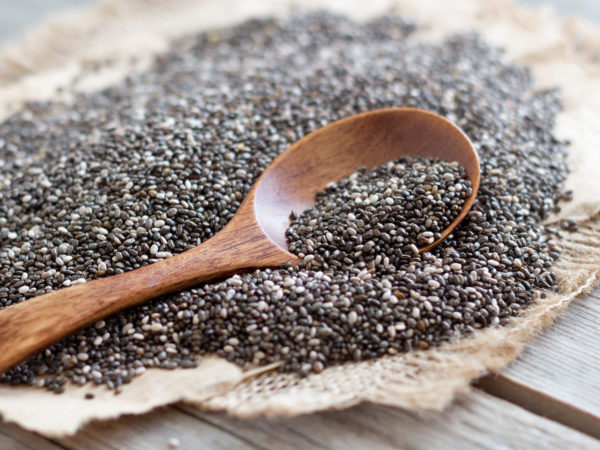
Chia seeds expand when mixed with liquid, forming a gel-like texture that slows digestion and curbs appetite. Just two tablespoons provide close to 10 grams of fiber, and they blend easily into overnight oats, smoothies, or a simple chia pudding without changing the flavor of your meal.
3. Split Peas

Split peas pack a substantial amount of fiber per serving and work well in soups or stews. Their high fiber content supports digestion and satiety at the same time, making them an easy way to turn a light soup into a genuinely filling meal.
4. Artichokes

Artichokes rank among the highest-fiber vegetables available, and they carry the added benefit of antioxidants that support overall health. Steamed or roasted, they make a satisfying side dish that adds real staying power to a meal that might otherwise leave you hungry an hour later.
5. Raspberries and Blackberries
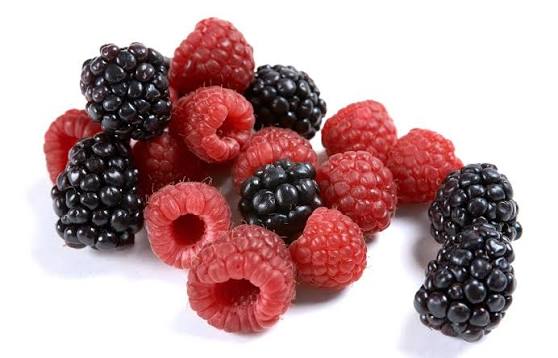
Berries offer a rare combination of sweetness and fiber, making them one of the easiest ways to satisfy a sugar craving without derailing your fullness. A single cup of blackberries provides around 8 grams of fiber, making them an ideal topping for yoghurt or a fibre-rich standalone snack.
6. Flaxseeds
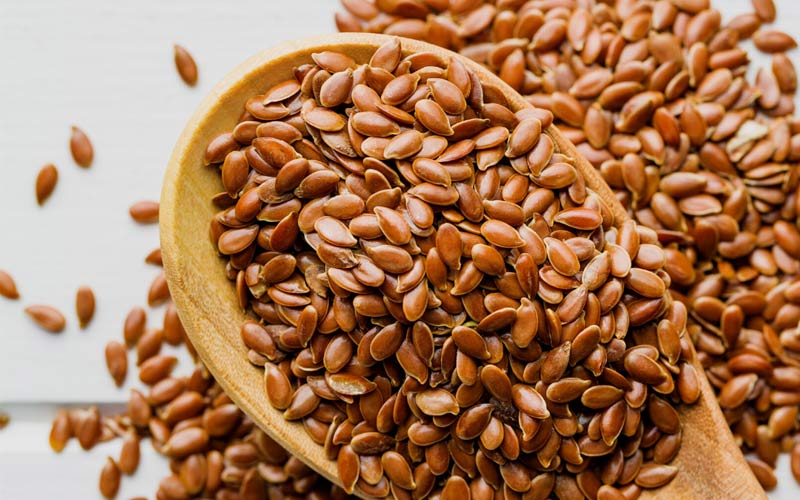
Flaxseeds deliver both soluble and insoluble fiber in a small package, and just a tablespoon helps regulate digestion while supporting fullness. Their mild flavor makes them easy to sprinkle into smoothies, oatmeal, or baked goods without noticeably changing the taste of your meal.
7. Avocado
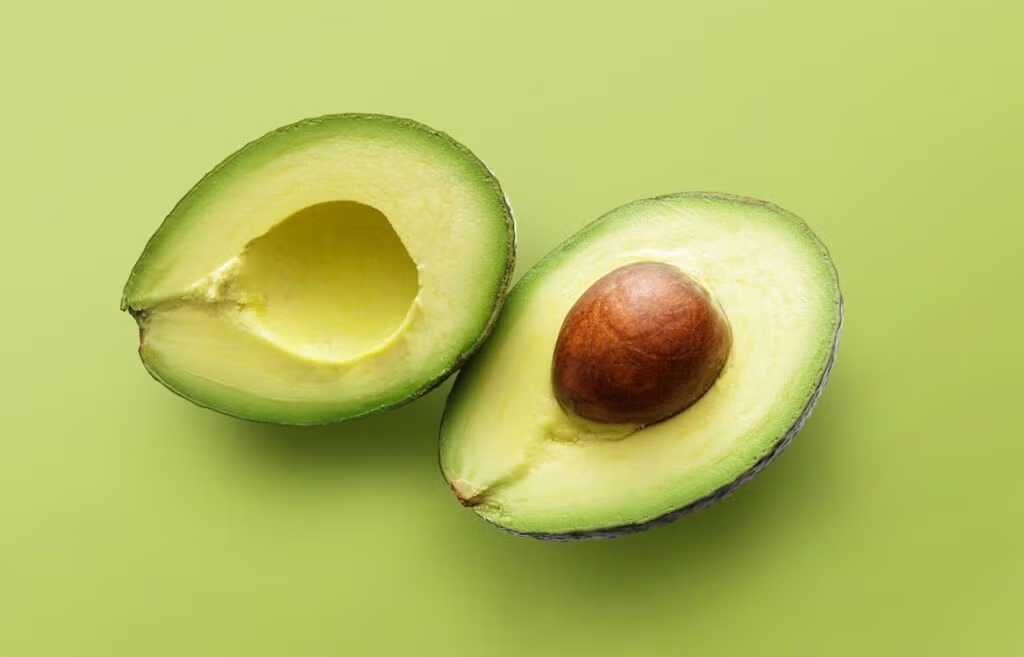
Avocado combines fiber with healthy fats, which together slow digestion even further than fiber alone. Adding a quarter to a half avocado to a meal — on toast, in a salad, or blended into a smoothie — extends fullness well beyond what the same meal would provide without it.
8. Air-Popped Popcorn

Popcorn is a whole grain that’s surprisingly high in fiber for its low calorie count, making it one of the most efficient snacks for staying full between meals. Air-popping it instead of using oil keeps the calorie count low while preserving all of the fiber content.
How to Add More Fiber Without Digestive Discomfort
- Increase your intake gradually. Adding too much fiber too quickly can cause bloating or discomfort — build up over a week or two instead of overhauling your diet overnight.
- Pair fiber with protein. Fiber slows digestion while protein stabilizes blood sugar, and combining the two creates a stronger, longer-lasting sense of fullness than either nutrient alone.
- Drink enough water. Fiber needs water to do its job properly, especially soluble fiber, which absorbs liquid to form its gel-like texture.
- Spread fiber across the day. Rather than loading up at one meal, aim for a fiber-rich element at breakfast, lunch, and dinner to keep hunger steady throughout the day.
FAQs
How much fiber do I need per day to feel fuller longer?
Most nutrition guidance points to roughly 25-30 grams of fiber a day for adults, though needs vary by individual. Spreading fiber-rich foods across each meal makes it easier to reach that target without needing to track every gram.
What’s the difference between soluble and insoluble fiber?
Soluble fiber dissolves in water and forms a gel that slows digestion and helps stabilize blood sugar, while insoluble fiber adds bulk that keeps digestion moving steadily. Both types work together to extend the feeling of fullness after a meal.
Can eating too much fiber cause bloating?
Yes, especially if you increase your intake quickly without also increasing water intake. Adding high-fiber foods gradually over a week or two, along with plenty of water, usually prevents the discomfort that comes with a sudden fiber increase.
Is fiber or protein more effective for feeling full?
Both matter, but they work differently — fiber slows digestion while protein stabilizes blood sugar and adds its own layer of satiety. Pairing the two, like beans with grains or chia seeds with Greek yogurt, tends to be more filling than relying on either nutrient alone.
What are the best high-fiber breakfast options?
Oatmeal, chia pudding, and whole-grain bowls topped with berries are among the most effective high-fiber breakfasts, since fiber at the start of the day helps curb mid-morning hunger. Adding a source of protein alongside these options extends fullness even further until lunch.
Do high-fiber foods help with weight management?
Fiber-rich foods tend to be lower in energy density and higher in volume, which can help reduce how much you eat at a given meal without feeling deprived. This makes fiber a useful tool within a broader healthy eating pattern rather than a standalone solution.

Monika Raisinghani is a content writer with over 10 years of experience writing for different industries. She enjoys turning ideas into simple, useful, and engaging content that people actually want to read. Whether it’s health, lifestyle, business, or technology, she focuses on providing accurate information in a clear and relatable way. She believes good content should be easy to understand, helpful, and written with the reader in mind.